From the Strait of Hormuz to Sydney: How a US–Iran War Impacts Australians… and Why the Australian Government’s Response Is Insufficient
By: Khaled Ghannam
24/03/2026
Member of the Socialist Alliance Australia
“What happens in the Middle East does not stay there… Australia pays the price through higher bills and stagnant wages.”
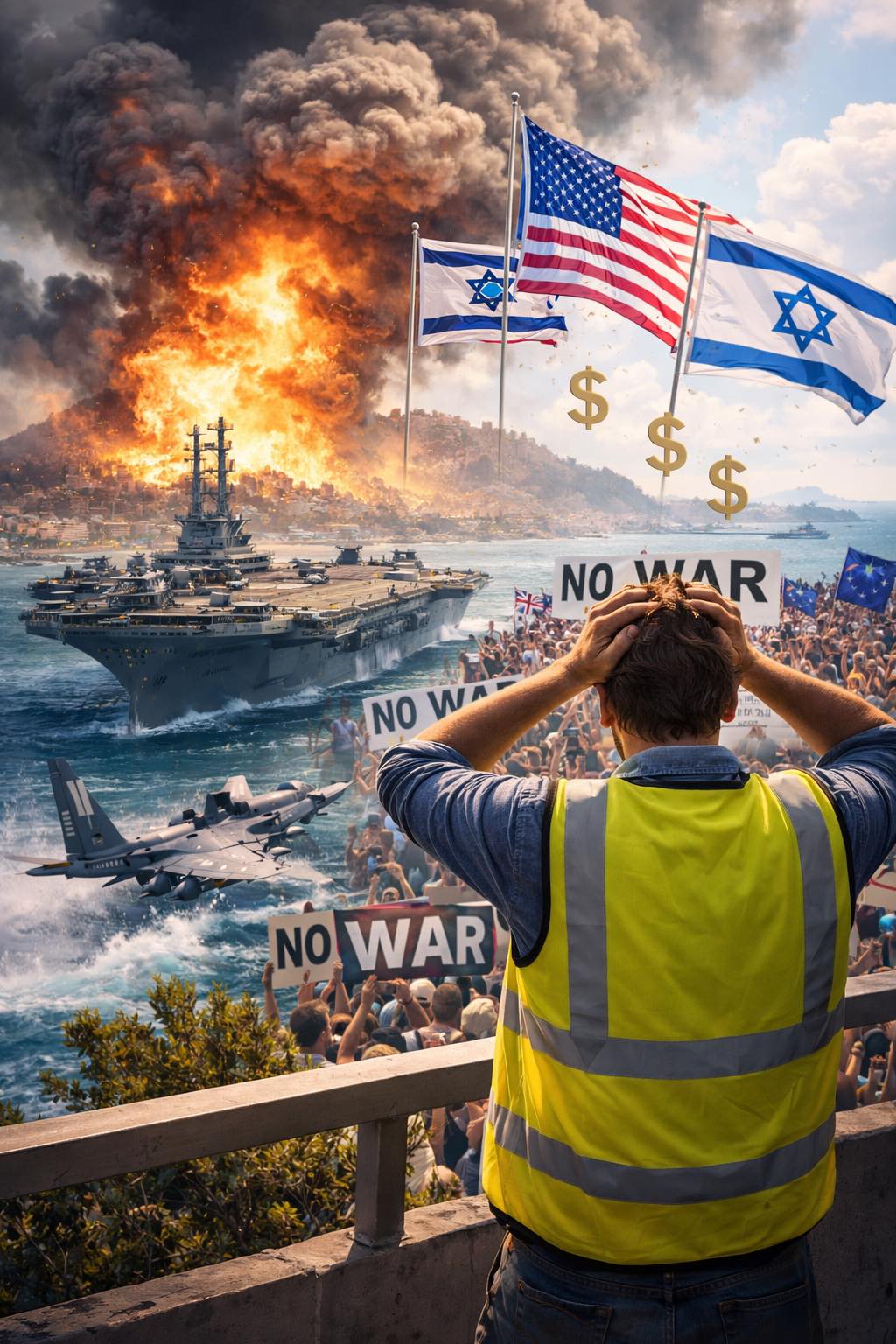
The war led by the United States against Iran is no longer a distant geopolitical issue. It is a dangerous escalation that threatens regional stability, disrupts the global economy, and directly affects Australians—where working people bear the heaviest burden.
🔥 A War That Shakes the Global Economy
Military escalation has triggered widespread disruption in global markets, including:
- A sharp rise in oil prices
- Disruption of global supply chains
- Increased geopolitical risk
Oil prices surged from around $60 to nearly $120 per barrel at the peak of escalation, with rapid increases above $90 due to supply disruptions.
This rise is not just a number—it is an indirect war tax imposed on ordinary people.
🌊 The Strait of Hormuz: A Global Energy Chokepoint
Around 20% of the world’s oil passes through the Strait of Hormuz, making it a critical chokepoint in the global economy.
Any disruption in this passage leads to:
- Destabilization of energy markets
- Rising global prices
- Direct pressure on the Australian economy
Estimates warn that continued escalation could push oil prices as high as $200 per barrel in the worst-case scenario.
💸 Australians Are Paying the Price
Although Australia is not a major oil producer, it relies heavily on global markets, making it directly vulnerable to such shocks:
- Fuel prices increasing by around 40 cents per litre
- An additional cost of approximately $14 per week per household
- Rising transport and living costs
Experts confirm that increases in fuel prices lead to:
- Higher shipping costs
- Rising prices of goods
- Accelerating inflation
Fuel is also a key component of Australia’s Consumer Price Index (CPI), meaning that any shock in oil prices directly impacts the economy.
🛢️ A Crisis Affecting Everything
The impact of war extends beyond fuel to all sectors:
- Rising fertilizer costs
- Disruptions in supply chains
- Increasing prices of essential goods
Small businesses, in particular, are already raising prices due to higher production and transportation costs.
🏛️ An Inadequate Government Response
In response to this crisis, the Australian government’s actions remain limited:
- Continued alignment with US military policies
- Lack of effective measures to protect consumers
- Passive monitoring without meaningful intervention in markets
This reflects a clear prioritization:
👉 Military alliances over people’s livelihoods
⚔️ AUKUS: Deepening Involvement in War
We reject the AUKUS agreement because it:
- Restricts Australia’s sovereign decision-making
- Ties foreign policy to military agendas
- Draws the country into conflicts that are not its own
This alliance is not purely defensive—it is part of a broader military framework that deepens global tensions rather than resolving them.
✊ Our Position
As members of the Socialist Alliance of Australia, we affirm:
- The war on Iran is an unacceptable act of aggression
- Military solutions will not bring peace, but further destruction
- Australia must adopt an independent foreign policy
We call for:
- An immediate end to the escalation
- Respect for national sovereignty and international law
- Redirecting resources toward protecting citizens
- Rejecting involvement in foreign wars
🔥 Conclusion: Who Pays the Price?
Wars are not measured by the number of missiles fired, but by their impact on everyday lives:
- A worker unable to afford fuel
- A family struggling with rising food prices
- An economy pushed toward inflation
This war is not only aggression against Iran…
It is a crisis that affects people everywhere.
Enough wars. Enough alignment with military agendas.
It is time for Australia to choose:
People first, not war.