Calculated Silence in Wartime: Rumors, Artificial Intelligence, and the Management of Media Narratives in the U.S.-Israeli Campaign Against Iran
By Khaled Ghannam – Australia
18/03/2026
Since late February 2026, the joint military operations by the United States and Israel against Iran have extended far beyond conventional battlefields. The conflict now permeates the digital information space, where virtual media warfare has become a core component of strategic operations, incorporating disinformation, fear-mongering, and manipulation of public perception (1).
⸻
 1. Netanyahu’s Strategic Silence
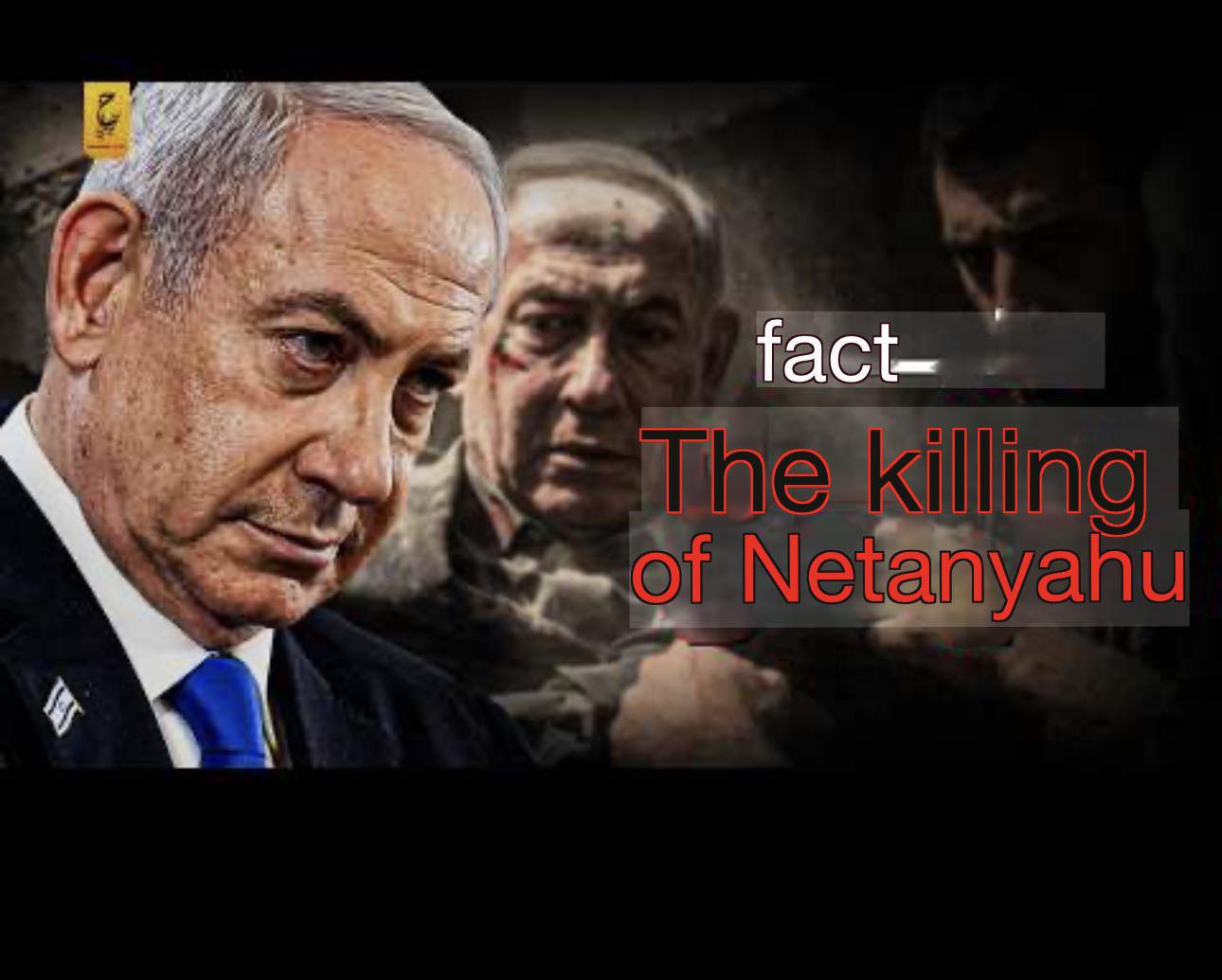
Benjamin Netanyahu’s deliberate absence from frequent media appearances marks a departure from previous conflicts. This calculated silence is part of an Information Control Strategy, designed to:
• Keep adversaries and the public in a state of uncertainty;
• Prevent exploitation of false or misleading news about him;
• Reinforce official messaging in line with Sun Tzu’s Art of War principles and Machiavellian realpolitik (2).
⸻
 2. Artificial Intelligence as a Media Warfare Instrument
AI has emerged as a powerful tool in digital psychological operations:
• Creating fully AI-generated videos that appear authentic.
• Manipulating satellite imagery to produce misleading narratives regarding military installations and damages.
• Complicating verification of false information even with modern fact-checking tools (3, 4, 5).
AI is no longer simply a production tool; it is a strategic instrument shaping collective cognition.
⸻
 3. Categorizing Digital Rumors
Analysis of online content indicates:
Content Type Estimated Share
Verified information 25% – 35%
Partially misleading information 35% – 45%
Entirely false rumors 25% – 35% (6)
Over half of digital content is thus susceptible to distortion or psychological manipulation.
⸻
 4. Rumor Purveyors
• Many rumors are generated for digital profit or personal notoriety.
• Exploit strong emotions such as fear and anger to drive engagement (emotion-driven engagement).
• Digital content may serve official psychological operations or operate independently for tactical gains (1, 6).
⸻
 5. Responses of States and Societies
• Gulf States (UAE, Saudi Arabia, Qatar): Strict measures against rumor-mongers to protect digital and social security (5).
• Iran: Internet censorship to ensure control of the official narrative (1).
• Israel & U.S.: Organized information warfare, partial disinformation campaigns, and coordinated propaganda (1).
• Other Arab nations (Jordan, Lebanon, Iraq, Yemen, Syria, Egypt): Media monitoring and public awareness campaigns (5, 6).
• Palestinian communities: Careful event tracking, dissemination of cause-supportive content, and countering disinformation via independent media (7).
• Australia: Local media monitoring, misinformation analysis, documentation of demonstrations, and support for the Palestinian cause through civil society initiatives (1, 2, 3).
• Europe (Germany, France, UK, Italy): Programs for fact-checking and public education on misinformation (7).
• United States: Awareness campaigns on disinformation and foreign propaganda, alongside public opinion tracking on Middle East issues (7).
⸻
 6. Digital Warfare vs. Conventional Warfare
The current conflict is multidimensional:
• Digital operations intersect with kinetic field operations.
• Rumors and information compete with verifiable facts.
• Public perception has become a parallel cognitive battlefield (7).
⸻
 7. Conclusion
Calculated silence, rumors, and artificial intelligence are not mere media tools; they are strategic instruments for narrative control and cognitive influence.
What appears to be a purely military campaign is, in reality, a multifront war spanning physical, informational, and cognitive domains.
By Khaled Ghannam – Australia